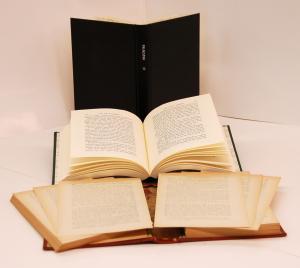
Library Bindery Services is a Certified Institutional member of the Library Binding Institute (LBI). Certified members must pass rigorous plant inspections to demonstrate that they possess the equipment, materials and staff expertise necessary to produce book bindings that meet the LBI/NISO National Standard for Library Binding.
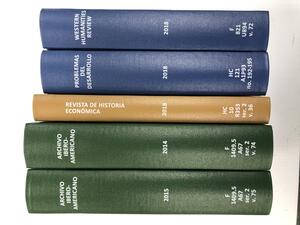
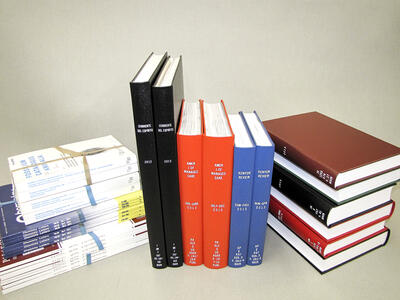
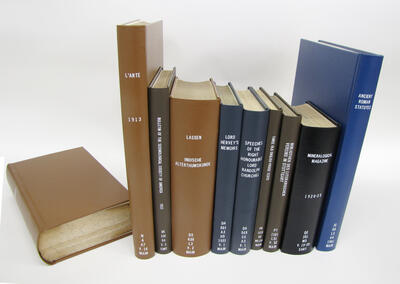

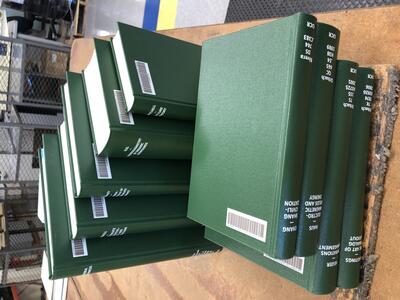
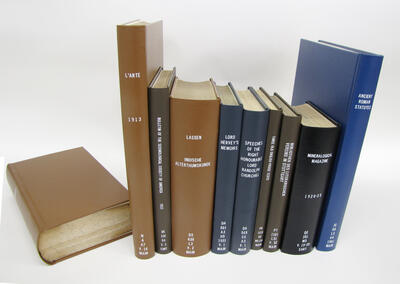
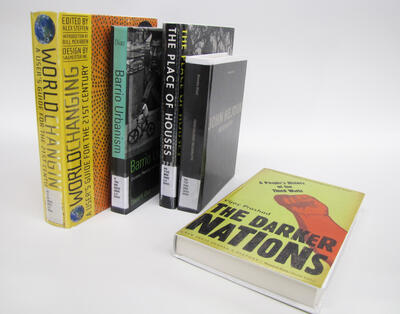
Volumes are foil stamped on the spine and/or front cover of each volume per customer instructions. The University of California seal can be stamped onto the front cover upon request.
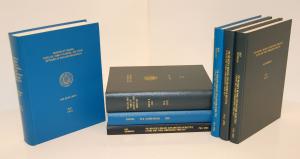
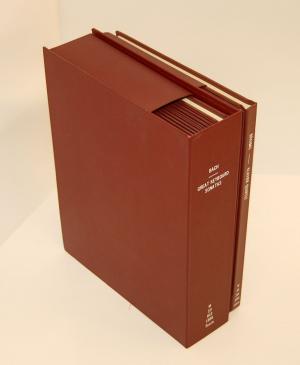
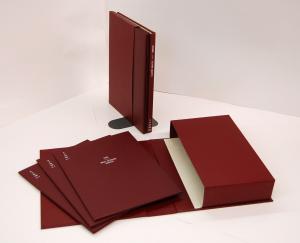
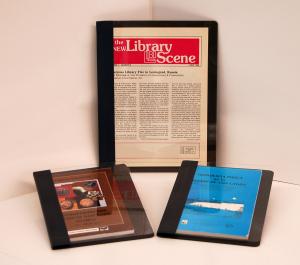
Appropriate for single items up to ½” thick where a traditional hardcover binding is not desired. Material is bound into a pre-fabricated pamphlet cover using stainless steel staples. Premade covers are constructed of high density, archival cover boards and C-1 book cloth. The clear front cover of the pre-made pamphlet cover allows for easy identification of the bound material.
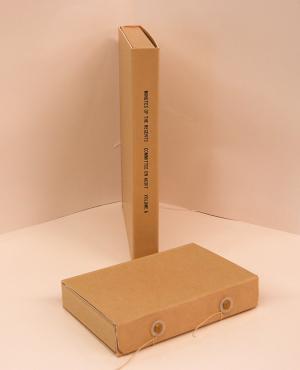
KASEMAKE ARCHIVAL BOXES
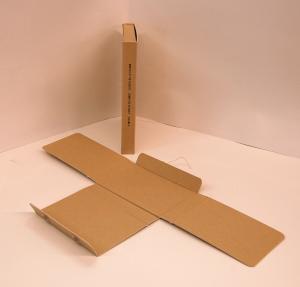
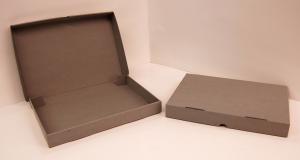
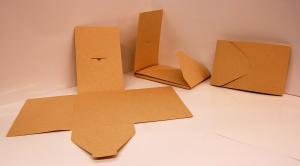
This is a more economical option than phase boxing. Utilizing a Kasemake box making machine, boxes are cut and scored to dimensions supplied by the library. Three basic designs are available: box & lid, flap portfolio, and clamshell. Boxes are constructed using either archival grade corrugated e-flute or tan colored board.
Note: Special designs, such as the boxes shown in the bottom image, are taken upon request.

The individual leaves of books printed on wood pulp paper often become brittle and discolored with age due to residual acidity or the presence of lignin found in some wood fibers used in the paper manufacturing process. This process scans the original text and reprints it onto acid free, lignin free paper which is then rebound into a new hardcover book.